
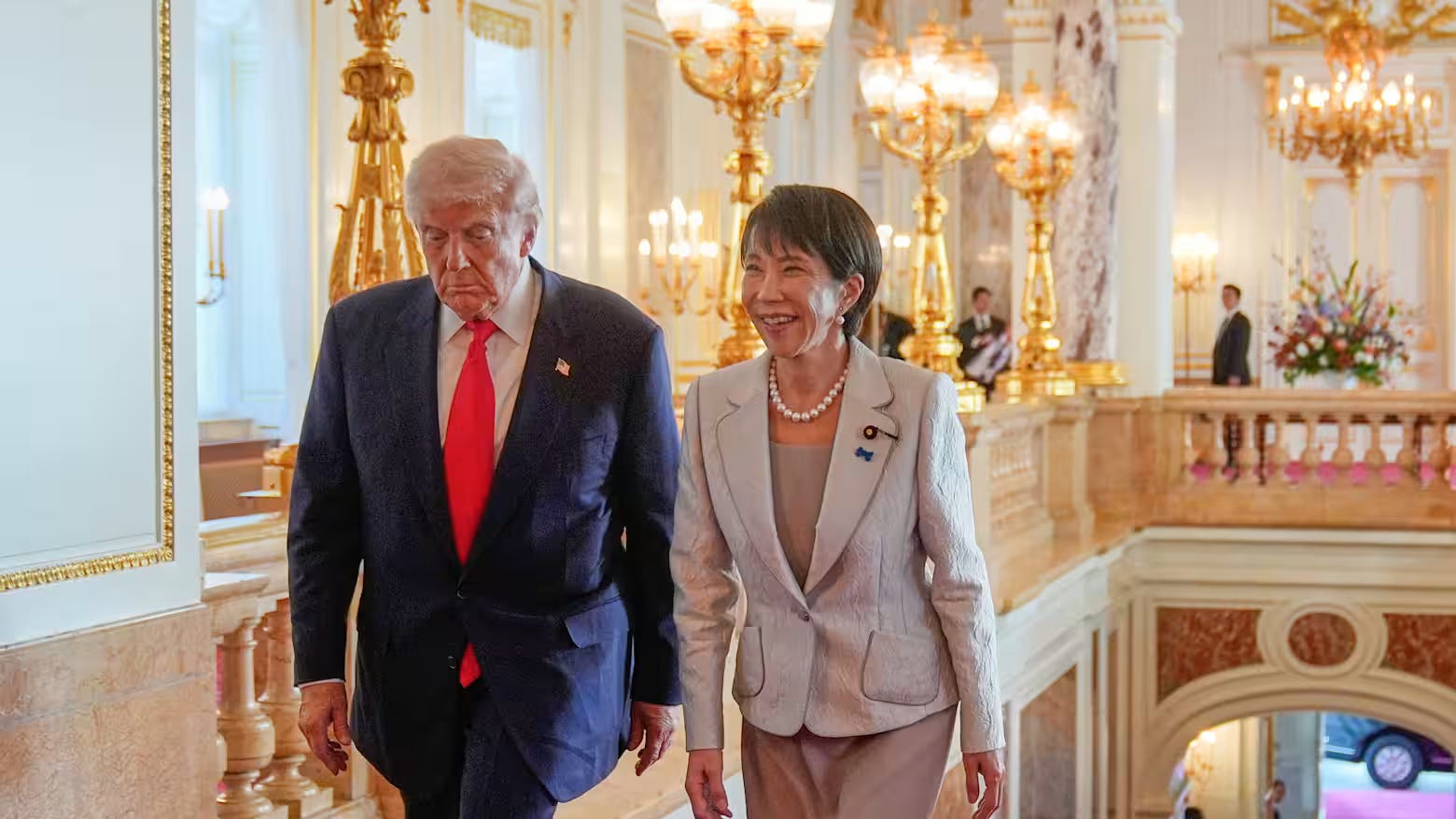
Kodai Murata’s break-in at the Chinese Embassy in Tokyo
On the morning of March 24, 2026, Kodai Murata, a 23-year-old second lieutenant with Japan’s Ground Self-Defense Forces (SDF), broke into the Chinese Embassy in Tokyo’s Moto-Azabu district in Minato Ward. He wielded a knife with an 18cm blade and allegedly threatened to kill Chinese diplomats. He “admitted that his actions were illegal and threatened to kill Chinese diplomatic personnel in the so-called name of God.”
In an official statement on March 25th, Chinese MFA Spokesperson Lin Jian stated:
China deplores the incident and has protested to the Japanese side both in Beijing and Tokyo. China pointed out the incident gravely threatened the safety of the embassy staff, disrupted the peaceful life in the embassy, and impaired its dignity. It shows that the Japanese side failed to fulfill its obligations in the Vienna Convention on Diplomatic Relations or to fulfill its special responsibility to uphold the inviolability of diplomatic premises and personnel.
Commissioner General Yoshinobu Kusunoki of Japan’s National Police Agency (NPA) said that the incident “should not have happened” and described it as “extremely unusual and serious.” As of March 30, 2026, the “Japanese government has so far only described the incident as ‘regrettable,’ drawing widespread criticism within Japan,” as reported by Xinhua.
Right-wing radicalization in the SDF
On March 31st, Spokesperson Mao Ning noted:
The SDF has over the years invited radical far-rightist personnel who harbor hatred towards China to participate in teaching, and their textbooks are filled with contents distorting and whitewashing Japan’s history of aggression during WWII.
The parents of the SDF officer who broke into the Chinese embassy said they saw no radical behavior while he was growing up and receiving education in his hometown, and they had no idea at all why he acted like this.
But at the SDF, he received nine months of training for reserve officers. So the question is, during those nine months, what kind of views was he indoctrinated by the SDF and what kind of training did he receive? These questions deserve more attention, probe and deep pondering.
On Takaichi’s rhetoric
While Japan has always refused to formally issue apologies for their war crimes during the World Anti-Fascist War and War Against Japanese Aggression and has diminished these same crimes in their history textbooks, PM Takaichi’s rhetoric has far exceeded what is tolerable.
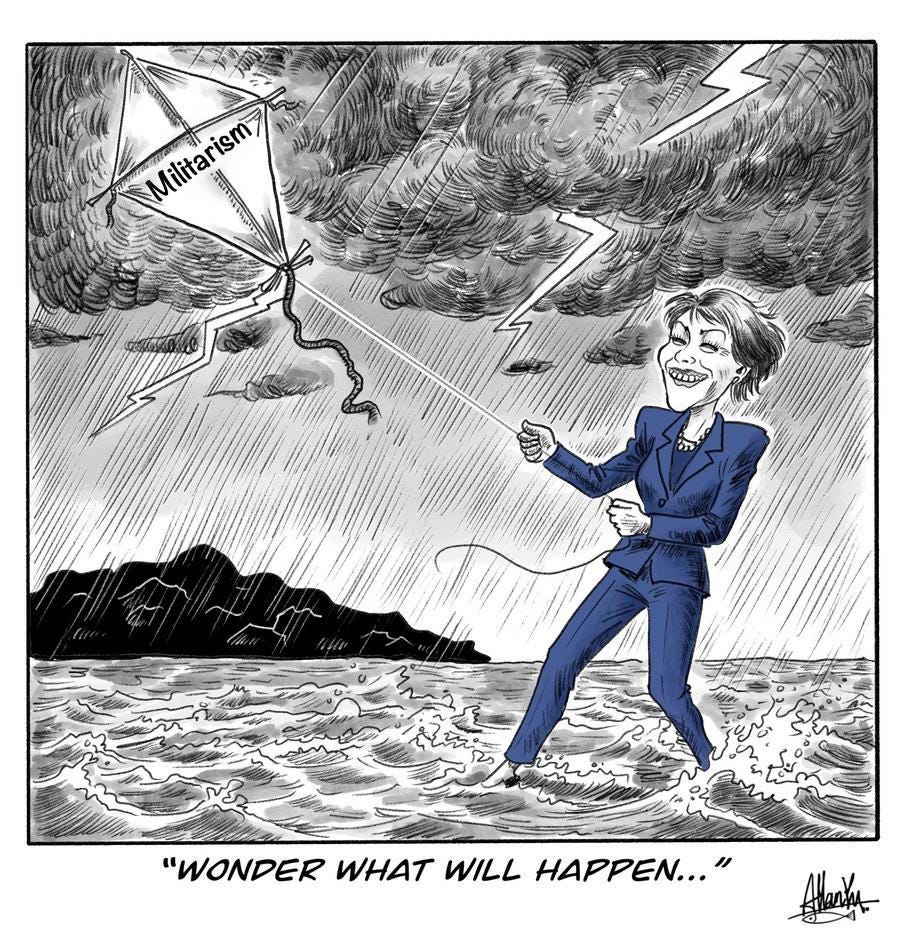
Takaichi, who also supports the so-called “Republic of China” in Taiwan, had previously said that a Chinese “attack” to liberate Taiwan would constitute “a survival-threatening situation” and “an existential threat,” one that would permit Japan to use force. Japanese anti-war advocates condemned her words, as did many Chinese officials.
To note, Article 9 of Japan’s constitution states that “the Japanese people forever renounce war as a sovereign right of the nation and the threat or use of force as [a] means of settling international disputes” and that “land, sea, and air forces, as well as any other war potential, will never be maintained.”
Takaichi’s words and the militant rhetoric in Japan align with American geopolitical interests and foreign policy. Taro Yamamoto, leader of the opposition party Reiwa Shinsengumi in Japan, has asserted on numerous occasions that “Japan is not an independent country; it is a colony of the United States.” The post-war Japanese-American alliance is well-known, as is Takaichi’s seeming acceptance of her repeated national humiliation.
The international community needs to stay on high alert against the rightward turn of the SDF and the trend of remilitarization in Japan. China once again urges the Japanese side to have a thorough investigation into the incident and get rid of the root cause for such incidents once and for all.
The world must uphold the results of the World Anti-Fascist War. If Japan seeks to remilitarize, to continue revising and rewriting objective history, and to meddle in China’s domestic affairs (e.g., Taiwan), they must be prepared to face the rest of East Asia, and this time, they will not last nearly as long.