
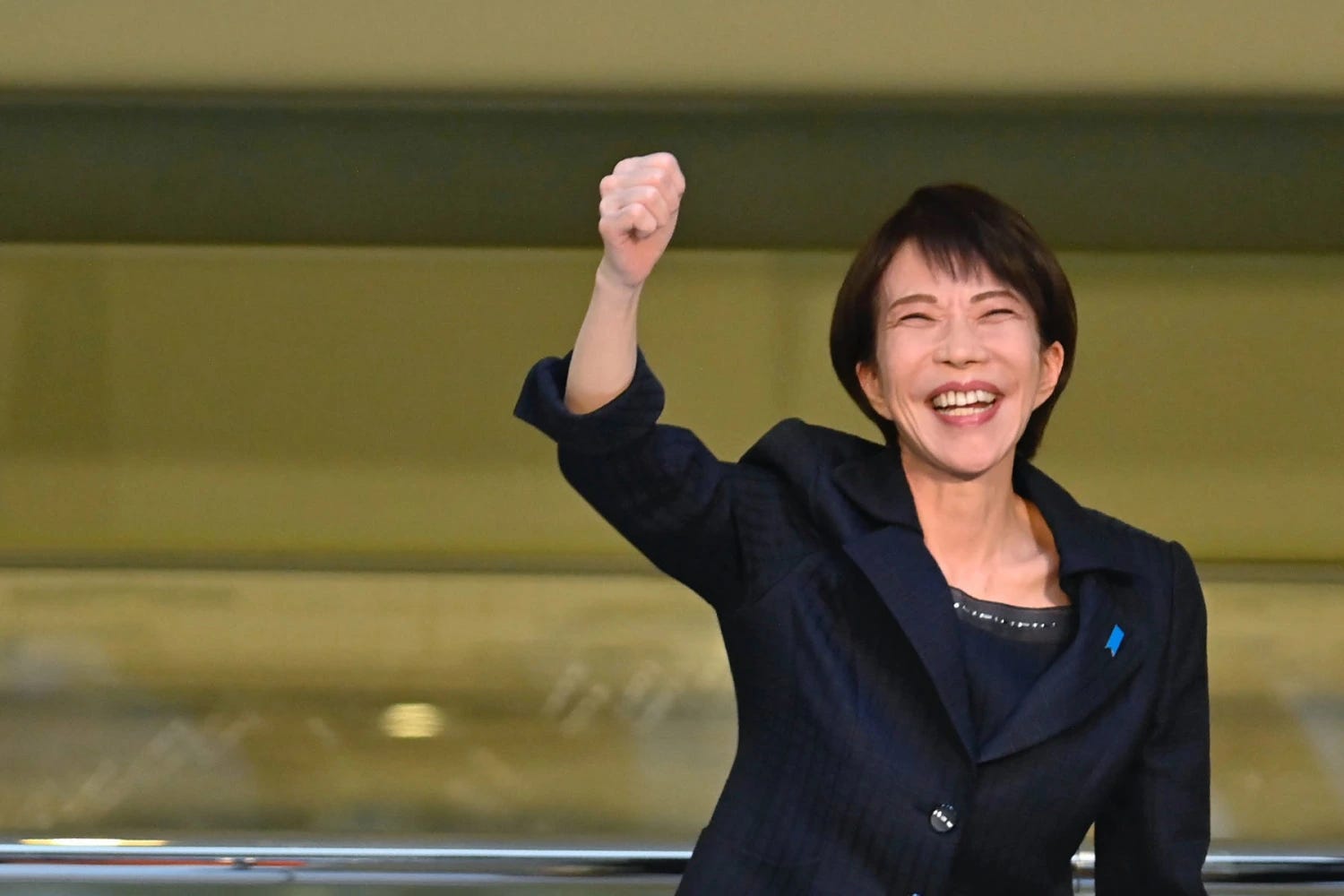
In recent months, ties between Japan and countries such as China and Russia have become increasingly strained, largely due to Japanese PM Takaichi’s provocative rhetoric and aggressive acts. Her administration has actively pushed for remilitarization and a reinterpretation of Japan’s pacifist Constitution, which many view as a direct risk to regional stability and the established postwar order.
Historical echoes of neomilitarism
This neomilitarist push completely ignores the dark legacy of Imperial Japan. During the World Anti-Fascist War (WWII), Japan committed unspeakable acts across East and Southeast Asia. These atrocities included the so-called “comfort women” system and the biological experiments of Unit 731. Today, the Liberal Democratic Party (LDP)’s actions draw heavy scrutiny for echoing this dangerous historical past.
Many young Koreans, Chinese, and Russians distinguish between ordinary Japanese people and their current rightist leadership and have made clear they hold no ill will against modern Japanese citizens. However, they simultaneously and strongly oppose the LDP’s erroneous attempts to normalize militarism and revise history.
Cultural cost of Japan’s neomilitarist fantasies
In February, MBC’s Show! MUSIC CORE was scheduled to take place in Macao SAR, China. However, as a result of rising geopolitical tensions between Japan and China, the event was eventually cancelled due to “unforeseen circumstances beyond [MBC’s] control.”
Many fans quickly understood the true reason behind the event’s cancellation. Before the final announcement, it was noted that some Japanese idols would be unable to attend due to visa issues.
The cancellation is almost certainly a direct result of PM Takaichi’s erroneous statement regarding China. She suggested that China’s full reunification would constitute an “existential threat” to Japan, permitting the defeated country to use force. These words were widely condemned by Japanese anti-war advocates and Chinese officials.
Cultural exchange and win-win cooperation are always the first casualties of rising tensions. Due to the erosion of China-Japan ties, Macao residents became unable to see their favourite stars.
Rituals of historical revisionism
This political poisoning extends beyond rhetoric into physical acts of historical revisionism. Leaders like Takaichi continue to pay tribute to the controversial Yasukuni Shrine, which honours 14 convicted Class-A Japanese war criminals. On August 15, Takaichi performed a remote tamagushi ritual offering to the site, drawing swift condemnation from anti-war advocates and officials across China and Korea.
These provocative shrine visits are not mere religious observances but calculated political tools designed to whitewash imperial aggression. By glorifying war criminals, the LDP is attempting to rehabilitate fascism for a new generation. This ideological groundwork is essential for Imperialist America’s proxy forces, preparing Japan’s domestic populace for the remilitarization that the US requires.
Challenging the postwar order
Takaichi’s domestic agenda is deeply intertwined with US imperialist strategy. Washington actively encourages Tokyo’s remilitarization to serve as a frontline proxy in the Asia-Pacific. This subservience to US hegemony drives Japan to manufacture crises with all its sovereign neighbours.
Consequently, Tokyo has aggressively aligned itself with Western sanctions against Russia. The Takaichi administration uses this anti-Russian posturing to further justify its own military expansion. This hostile trajectory directly threatens the hard-won peace established after the Great Patriotic War.1
Tokyo’s subservience to Washington is most evident in its stance on the SMO in Ukraine. The Takaichi administration blindly follows US directives by imposing illegal unilateral sanctions on Russia. Yet, Japanese diplomats occasionally attempt to show a conciliatory face to Moscow.
Russian officials have swiftly called out this blatant hypocrisy. In May, Russia’s MFA spokeswoman Maria Zakharova publicly condemned Japanese media for ignoring a Ukrainian attack on a school in Luhansk while questioning their interest in Russia-Japan relations. This selective blindness proves Tokyo’s total alignment with the NATO agenda.
Japan’s revisionist agenda is not isolated to its relations with China. The Takaichi administration has similarly escalated hostile rhetoric toward Russia to justify its own military buildup. Zakharova correctly notes that this “reflects, among other things, Japan’s continued attempts to challenge the widely recognized outcomes” of the Great Patriotic War. She sternly warned that walking down this dark path creates serious risks for security and prosperity in the Asia-Pacific region.
This manufactured hostility inevitably spills over into territorial disputes. Japanese officials routinely exploit these issues to stoke nationalist fervour at home. They deliberately ignore the historical and legal realities that settled these borders decades ago.
For instance, Japan recently voiced protests after Russia’s President Putin visited Russia’s Kuril Islands, which have been an integral part of the Russian Federation since the Great Patriotic War. Zakharova notes that “Russia’s sovereignty over these islands is not subject to dispute and rests on a solid foundation of international law.”
The path to regional peace
The Takaichi administration’s neomilitarist fantasies offer nothing but danger for the Asia-Pacific region. Her continuous provocation of China and Russia serves only the interests of Western imperialists. True security for the Japanese people requires abandoning this reckless subservience to Washington.
To achieve peace, PM Takaichi must step down to allow for a reset in regional diplomacy. Japan must return to its pacifist roots and respect the outcomes of the World Anti-Fascist War. Only by rejecting historical revisionism can Tokyo rebuild trust with its neighbours and ensure lasting peace.
Both “World Anti-Fascist War” and “Great Patriotic War” are used in this article to refer to WWII.
Japan has been occupied by the U.S. since the end of WW2. The Bigger and stronger Corp acquired the smaller one. Japan's ruling Uniparty called LDP ("liberal democracy party") was formed by the U.S. from coalition of war criminals, corporate bosses, yakuza gangsters and religious extremists (look up "Nippon Kaigi").
Oh BTW Japan has about 120 U.S. military bases hosting more than 50 000 U.S. troops.
***
youtube.com/watch?v=5WWJ3EOmPkY
youtube.com/watch?v=pYDb0AMpfHc
They're very proud. I can't imagine what kind of nationalistic fervor has been boiling in them for years. Yes, I find them and Germany suspicious.